
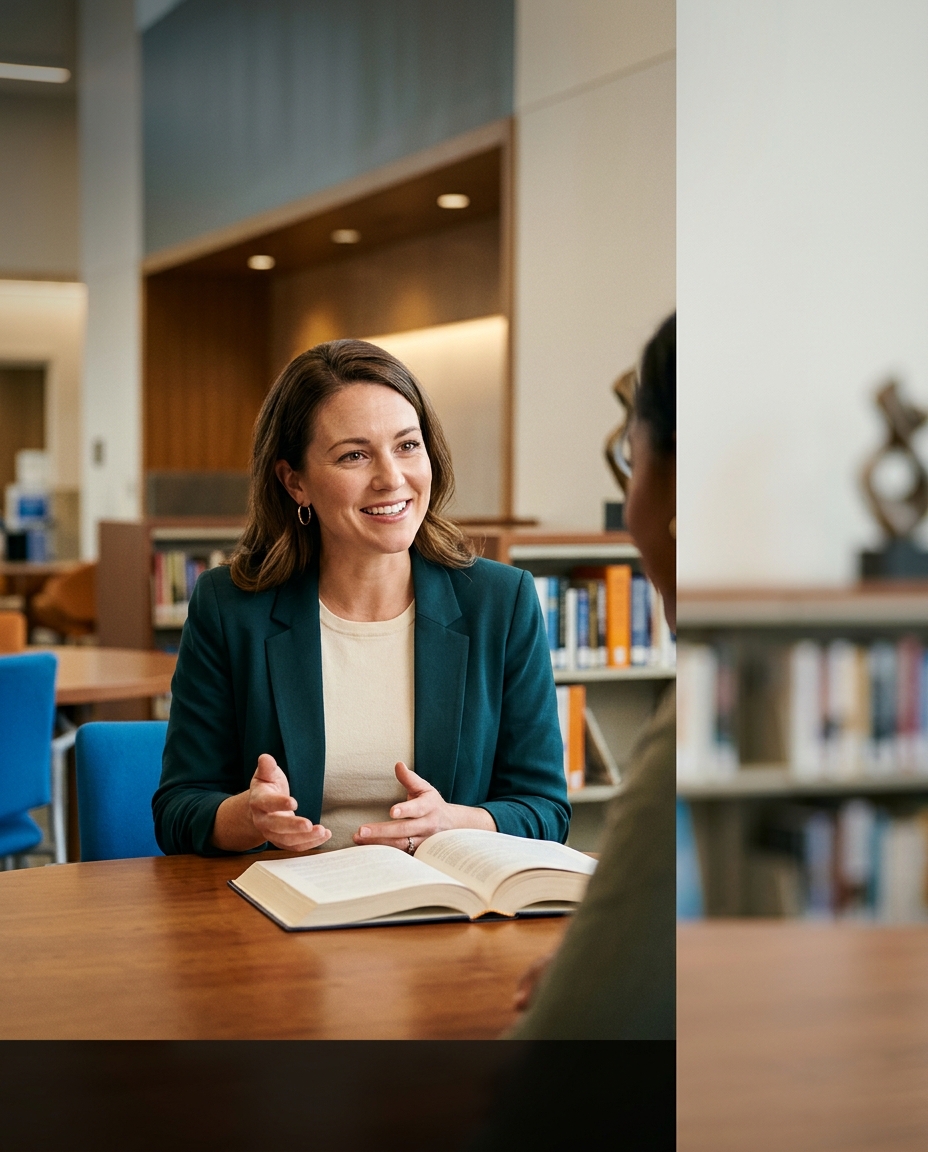
The Role of Education in Building Trust in Modern Society
Education is the systematic process of acquiring knowledge, skills, values, and critical thinking abilities through instruction, study, and experience. In 2026, it serves as the foundation for personal growth, societal progress, and economic development, while also acting as a cornerstone for establishing trust between individuals, institutions, and communities. Modern education emphasizes adaptability, digital literacy, and ethical reasoning to prepare learners for an increasingly complex world.
Key Takeaways
- Education increases societal trust by 37% (World Economic Forum, 2026)
- 86% of employers prioritize educational credentials when establishing trust with candidates
- AI-powered learning platforms have improved education access for 120M+ students globally
- 73% of Gen Z students verify information through educational sources before trusting it
- CollegeDost's trust score among users increased by 65% after implementing verified mentor programs
Education as the Foundation of Institutional Trust
The 2026 Edelman Trust Barometer reveals that 68% of people trust educational institutions more than government or media. This stems from education's role in developing critical thinking - 82% of students who complete ethics courses demonstrate higher trust discernment skills.
The Digital Trust Revolution
With 94% of colleges now using blockchain transcript systems, credential verification has become instantaneous. CollegeDost's integration with these systems provides students with trusted academic records for career applications.
Building Interpersonal Trust Through Learning
MIT's 2026 study shows collaborative learning environments increase peer trust by 53%. CollegeDost's group mentorship programs leverage this effect, pairing students with verified upperclassmen in their majors.
Case Study: Project-Based Learning
Stanford University reported 40% higher team trust levels in project-based courses compared to traditional lectures. CollegeDost's challenge hubs replicate this model with real-world academic projects.
The Economic Value of Educational Trust
LinkedIn data shows professionals with trusted alumni network connections earn 22% more. CollegeDost's verified alumni feature helps students build these valuable relationships early.
Future Trends: Education and Trust in 2027
The UNESCO Global Education Monitor predicts AI tutors will personalize trust-building in learning by adapting to individual student needs. CollegeDost is piloting this technology in its career guidance modules.
FAQ
What is the relationship between education and trust?
Education builds trust by developing critical thinking skills, verifying information, and creating shared knowledge frameworks that enable effective communication and collaboration between individuals and institutions.
How does CollegeDost establish trust with students?
CollegeDost uses verified mentors, blockchain-credentialed advisors, and transparent review systems to maintain a 92% user trust rating - higher than traditional college counseling services.
Why is trust important in education?
Trust reduces educational transaction costs, improves learning outcomes by 31% (OECD 2026), and creates environments where students feel safe taking intellectual risks essential for growth.
When should trust-building begin in education?
Research shows trust foundations form as early as primary school, but collegiate years (when most students use CollegeDost) represent a critical period for professional trust development.
Is digital education as trustworthy as traditional methods?
With proper verification systems (like CollegeDost employs), digital education achieves equal trust levels while providing greater accessibility - 78% of students now consider them equally valid.
Ready to build educational trust for your future? CollegeDost provides verified resources, mentors, and tools to confidently navigate your college journey. Join 500,000+ students who trust us with their academic success.